Car Shipping Bill of Lading Canada: What It Is, Why It Matters, and How to Use It
Do you know what a car shipping Bill of Lading is, and what happens to your claim if you sign it without reading it carefully at pickup and delivery? In Canada, the Bill of Lading is the legally binding document that governs every interprovincial vehicle transport transaction, defining the condition of your vehicle at handover and serving as the only enforceable record of damage that occurred during shipping. (Source: Transport Canada — Commercial Transportation Documentation Requirements)
Most car shipping customers hear the words “Bill of Lading” during their booking process without fully understanding what the document does, why it matters, or what to do, and what not to do, when they sign it. This guide explains everything you need to know about the car shipping Bill of Lading in Canada, from what it contains to how to use it correctly at both ends of your shipment.
What Is a Car Shipping Bill of Lading in Canada?
The Legal Definition
A Bill of Lading (BOL) in car shipping is a legally binding document issued at the time of vehicle pickup that serves three simultaneous functions:
- A receipt of goods – it confirms that the carrier has taken possession of your vehicle in a described condition.
- A contract of carriage – it documents the agreed terms of the transport, including origin, destination, service type, and carrier responsibility.
- A condition report – it records the pre-existing state of your vehicle at the moment of pickup, which becomes the reference point for evaluating any damage claims at delivery.
In Canada, the Bill of Lading is the foundational document for every interprovincial vehicle transport transaction. Without a properly completed Bill of Lading, there is no legally enforceable baseline to compare your vehicle’s condition at delivery against its condition at pickup.
Who Completes the Bill of Lading?
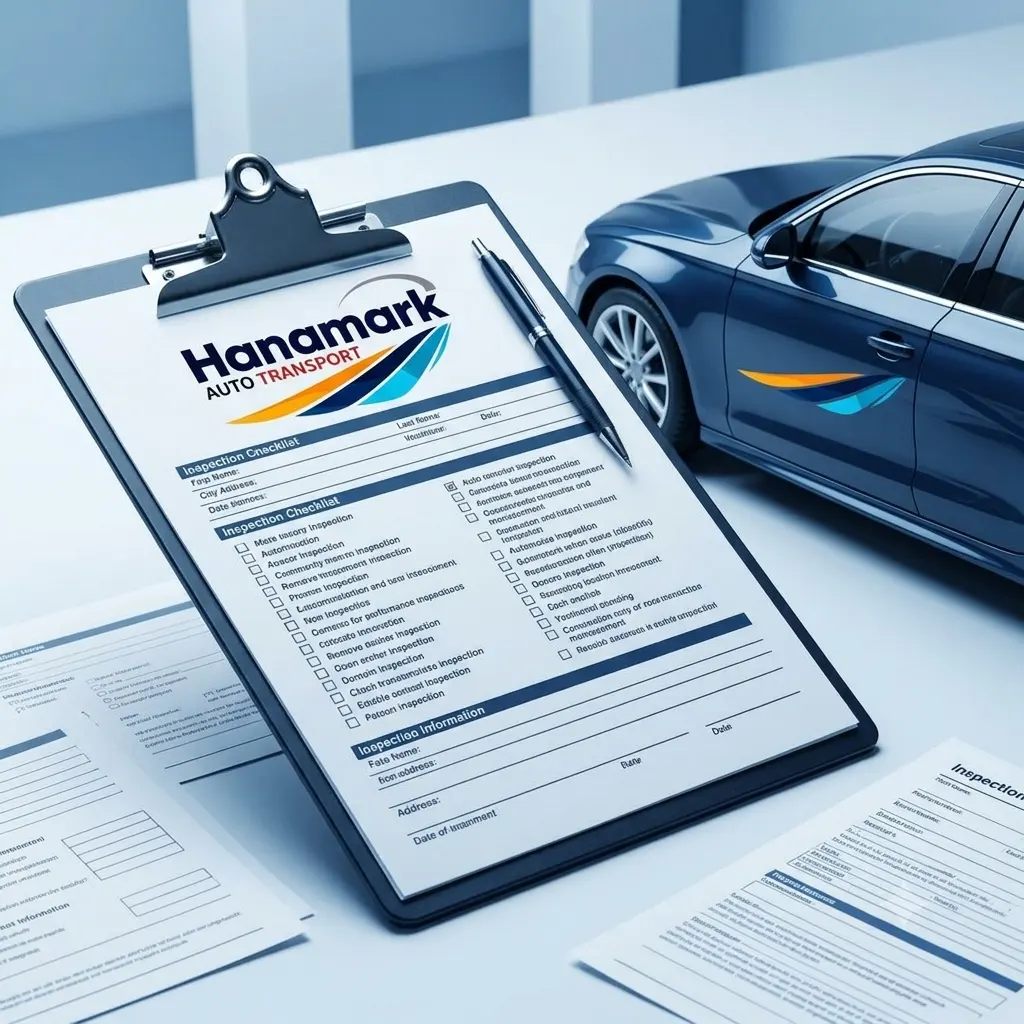
The car shipping Bill of Lading is completed jointly by the driver and the customer – or the customer’s designated representative – at the time of vehicle pickup. Both parties inspect the vehicle together, noting any existing marks, scratches, dents, chips, or damage on a standard vehicle diagram or written condition checklist. Both parties then sign the document, confirming they agree on the vehicle’s current condition.
At delivery, the same document is reviewed. The customer inspects the vehicle against the original Bill of Lading, notes any discrepancies, and signs the delivery confirmation. This process is the same whether you are using door-to-door auto transport or terminal-to-terminal service.
Why the Car Shipping Bill of Lading Matters in Canada
It Is Your Only Enforceable Protection for Transit Damage
If your vehicle arrives with damage that was not present at pickup, the Bill of Lading is the document that makes your claim viable. It establishes the before state – the condition your vehicle was in when it left your driveway or terminal. Without it, any claim you make is your word against the carrier’s.
A properly completed, jointly signed Bill of Lading with accurate pre-existing condition documentation creates a clear, enforceable record. It protects both the customer and the carrier, which is why reputable direct carriers like Hanamark complete it carefully on every shipment, on every route, from Regina to Toronto to Calgary to Ottawa and Montreal.
Signing It Without Reading It Can Cost You a Claim
The most common car shipping Bill of Lading mistake in Canada is signing the delivery document before completing a full vehicle inspection. When a customer signs at delivery without checking carefully against the pickup condition report, they are legally confirming that the vehicle arrived in acceptable condition – regardless of what they discover later.
This is not a technicality. It is the reason carriers ask you to sign: the signed delivery Bill of Lading closes the condition verification window. Any damage noticed after signing is significantly harder to claim because there is no longer a documented, unsigned discrepancy on record.
Always inspect your vehicle completely before signing at delivery. This applies whether the delivery happens at your door, at a terminal, or after any delay in collecting the vehicle from a storage facility.
It Protects You With a Direct Carrier – and Matters Even More With a Broker
With a licensed direct carrier, the Bill of Lading is completed by the same company’s driver at pickup and delivery. One company holds the document. One insurance policy covers the vehicle throughout. If damage occurred during transport, the claims process involves one party, the direct carrier, and the Bill of Lading is the primary supporting document.
With a broker-arranged shipment, the Bill of Lading may be completed by an assigned carrier whose specific documentation practices you did not vet in advance. Insurance responsibility may be split between the broker and the carrier. A damage claim in a broker arrangement can involve multiple parties interpreting the same Bill of Lading differently.
For more on how direct carriers provide cleaner accountability on all documentation and insurance matters, see our guide on insured and licensed car carrier .
How to Use the Car Shipping Bill of Lading Correctly in Canada
At Pickup – What to Do
1. Be present or send a trusted representative. The Bill of Lading must be completed with someone who can physically inspect the vehicle. If you cannot be there, designate a family member, friend, or property manager who understands what to look for.
2. Inspect every surface before signing. Walk around the vehicle systematically – front, driver’s side, rear, passenger’s side, roof, hood, trunk lid. Check for scratches, chips, dents, cracks, or any existing damage. Do not rely on the driver’s notes alone – verify each item yourself.
3. Document everything in writing and photos. Note every existing mark on the Bill of Lading form, even minor ones. Take timestamped photographs of all four sides and the roof before the vehicle is loaded. These photos are supporting evidence if a claim is ever needed.
4. Do not sign until you are satisfied the condition is accurately recorded. Once you sign the pickup Bill of Lading, you are confirming the documented condition is correct. Take the time you need. A professional carrier will not rush you.
During Transit
Keep a copy of your Bill of Lading – digital or printed. Know what it says. If the carrier contacts you with any information about your vehicle during transit, note it.
At Delivery – What to Do
1. Inspect before signing – every time, without exception. This cannot be overstated. Do a full walk-around before picking up the pen. Check every surface against your pickup photos and the original Bill of Lading notes.
2. Note any discrepancies on the delivery document before signing. If you find damage that was not on the pickup Bill of Lading, write it on the delivery copy before signing. Use specific language – location, size, type of damage. Once it is documented and signed by both parties, your claim has a foundation.
3. Photograph any new damage immediately. Timestamped delivery photos with the damage clearly visible are the most effective supporting documentation for a transit damage claim.
4. Contact the carrier directly and immediately. With a direct carrier, you have one number to call. With a broker arrangement, you start by calling the broker, which adds time to the response. Speed matters when documenting and reporting transit damage.
What the Car Shipping Bill of Lading Does Not Cover
The Bill of Lading documents your vehicle’s external condition at pickup and delivery. It does not typically cover:
- Personal items left in the vehicle – most carriers explicitly exclude contents from cargo insurance coverage.
- Pre-existing mechanical issues – the BOL covers physical condition, not mechanical or electrical function.
- Damage discovered after the delivery signature – once the delivery document is signed without notation, the window for documenting new damage closes.
For more on what documents you need before and during vehicle transport in Canada, see our guide on documents required for vehicle transport in Canada.
Summary: Car Shipping Bill of Lading Canada: Know It, Use It, Keep It
The car shipping Bill of Lading in Canada is the single most important document in any vehicle transport transaction. It establishes your vehicle’s condition at pickup, governs the carrier’s responsibility during transit, and determines whether a damage claim at delivery has a legal foundation. Complete it carefully at pickup. Inspect thoroughly before signing at delivery. Keep copies of both.
Booking with a licensed direct carrier gives you the clearest, simplest Bill of Lading process – one company, one driver, one document trail, one insurance policy. There is no ambiguity about who holds the document, who carries the insurance, or who is accountable if a discrepancy appears at delivery.
FAQ: Car Shipping Bill of Lading Canada
A Bill of Lading is a legally binding document completed jointly by the driver and customer at vehicle pickup. It serves as a receipt of goods, a contract of carriage, and a condition report documenting the vehicle’s state at handover. It is the primary document used to evaluate any damage claims at delivery.
Signing the delivery Bill of Lading without a full inspection legally confirms that the vehicle arrived in acceptable condition. Any damage discovered after signing is significantly harder to claim because there is no documented, unsigned discrepancy on record. Always inspect completely before signing.
You or a designated representative must be present. The Bill of Lading requires a joint inspection — the driver and the customer walk around the vehicle together and agree on its condition before either party signs. If you cannot be present, send a trusted person who understands the process.
With a direct carrier, one company’s driver completes the Bill of Lading at pickup and delivery, and one insurance policy covers the vehicle throughout. With a broker arrangement, the assigned carrier’s driver completes the document, and insurance responsibility may be split between the broker and the carrier, complicating any claims process.
Ship With a Carrier That Takes the Bill of Lading Seriously
At Hanamark Auto Transport, every shipment begins and ends with a thorough, jointly completed Bill of Lading – because your vehicle’s documentation is as important as its transport. We are a licensed direct open carrier. One company. One process. Full accountability.
Get Your Instant Quote Today ->